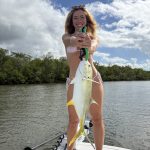
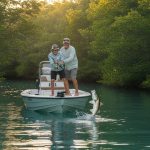
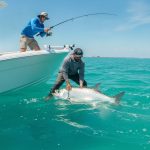

Nestled in the subtropical wilderness of southern Florida, the Everglades is a labyrinthine ecosystem where freshwater meets salt, where cypress trees bow over blackwater channels, and where fish stories are born every day. While the Everglades offers incredible fishing year-round, early summer—from late May through early July—is a unique window when the waters warm, the rains return, and the fish get hungry.
If you’ve ever dreamed of casting into a prehistoric river teeming with life, early summer in the Everglades is your chance.
🌿 The Everglades: A Living Waterworld
Before diving into what to fish and how, it helps to understand the lay of the land—or rather, the water. The Everglades National Park, covering 1.5 million acres, is a slow-moving river fed by Lake Okeechobee. Its waters wind through sawgrass prairies, mangrove forests, and coastal estuaries before reaching Florida Bay.
The result is a mosaic of diverse habitats:
-
Freshwater marshes host largemouth bass and bowfin.
-
Mangrove-lined creeks brim with snook and tarpon.
-
Brackish backcountry bays are prime for redfish, seatrout, and snapper.
In early summer, the wet season begins, temperatures rise into the high 80s–90s (°F), and the first afternoon thunderstorms roll in like clockwork. This seasonal shift triggers feeding patterns and fish migrations that are both predictable and explosive.
🎣 Target Species: What’s Biting?
1. Largemouth Bass
-
Where: Inland freshwater canals, sloughs, and marsh edges.
-
Why Now: Warmer water temps boost their metabolism, making them aggressive feeders.
-
Tactics: Topwater frogs at dawn and dusk; soft plastics and spinnerbaits mid-day.
2. Snook
-
Where: Mangrove tunnels, river mouths, and tidal creeks.
-
Why Now: Pre-spawn movement means they’re on the hunt for calorie-rich meals.
-
Tactics: Live pilchards, DOA Shrimp, or Rapala jerkbaits near structure.
3. Tarpon (aka “Silver Kings”)
-
Where: Channels and flats of Whitewater Bay, around Flamingo.
-
Why Now: Early summer sees juveniles in backwaters and migratory giants in channels.
-
Tactics: Fly fishing with black/purple streamers at dawn; drifting live mullet or crabs on heavier tackle.
4. Redfish & Seatrout
-
Where: Brackish bays and mangrove islands near the Gulf coast.
-
Why Now: Stable water temps and increased baitfish activity.
-
Tactics: Popping corks with shrimp, or weedless gold spoons across grass flats.
🕓 Best Times to Fish
Early summer in the Everglades is all about timing and tides:
-
Morning (5:30–9:30 AM): Cooler temps = active fish. Ideal for topwater action and sight-casting.
-
Late Afternoon (4:30–7 PM): Post-thunderstorm calm often brings surface bites and glassy water.
-
Night Fishing: For seasoned anglers, warm nights near bridges and lights can yield monster snook and tarpon.
Tidal Tip:
Focus on incoming tides in mangrove estuaries. As water floods in, baitfish push into cover—and predators follow.
🛶 How to Fish the Everglades: Boat, Kayak, or Bank?
1. Flats Skiff or Jon Boat
-
Offers access to remote channels and bays.
-
Launch from Flamingo Marina or Everglades City.
2. Kayak or Canoe
-
Ideal for silent stalking through narrow creeks.
-
Bring polarized sunglasses and GPS—you’ll need both.
3. Shore Fishing
-
Limited but possible near Flamingo Visitor Center or along Tamiami Trail canals.
-
Best for freshwater species like bass and gar.
🧰 Gear Essentials
-
Rod/Reel:
-
Light-medium for bass/redfish.
-
Medium-heavy for snook/tarpon.
-
-
Line:
-
10–20 lb braid with 20–40 lb fluorocarbon leader.
-
-
Lures:
-
Topwaters: Zara Spook, Heddon Frog.
-
Jigs: White/chartreuse bucktails.
-
Soft Plastics: Zoom Super Flukes, Gulp! shrimp.
-
-
Live Bait:
-
Shrimp, mullet, pilchards (net your own or buy locally).
-
🐊 Safety & Environmental Notes
-
Watch for gators and snakes—especially near canals and banks.
-
Stay hydrated and wear UPF-rated clothing.
-
Mosquitoes are vicious. Use a thermacell or 25–30% DEET spray.
-
Follow Catch & Release ethics, especially with snook and tarpon.
-
Never litter or disturb nesting birds or other wildlife—this is a protected sanctuary.
📸 Best Spots to Try
-
Flamingo (Everglades National Park): Access to both freshwater and saltwater fishing.
-
Shark River & Whitewater Bay: Tarpon and snook hotbeds.
-
Alligator Alley Canals (I-75 corridor): Shoreline bass and gar fishing.
-
Nine Mile Pond: Kayak-access, seasonal bass and cichlid action.
🧭 Planning Your Trip
-
License Required: Florida fishing license (freshwater or saltwater depending on target species).
-
Best Lodging Options: Eco-tents and cabins in Flamingo; hotels in Homestead or Everglades City.
-
Guides Available: Hiring a local guide is highly recommended for first-timers. Look for Everglades-certified captains.
🎣 Final Thoughts
Fishing the Everglades in early summer is an immersion into one of the wildest corners of North America. It’s about more than catching fish—though you’ll likely catch many. It’s about waking up to herons lifting off the water, hearing tarpon roll in the morning fog, and casting into the unknown.
Whether you’re slinging lures into the jungle thickets or poling a skiff across a golden flat, the Everglades offers the kind of fishing that stirs something primal in every angler.